
Kanchenjunga Circuit Trek Permits and Guide (Updated 2026)
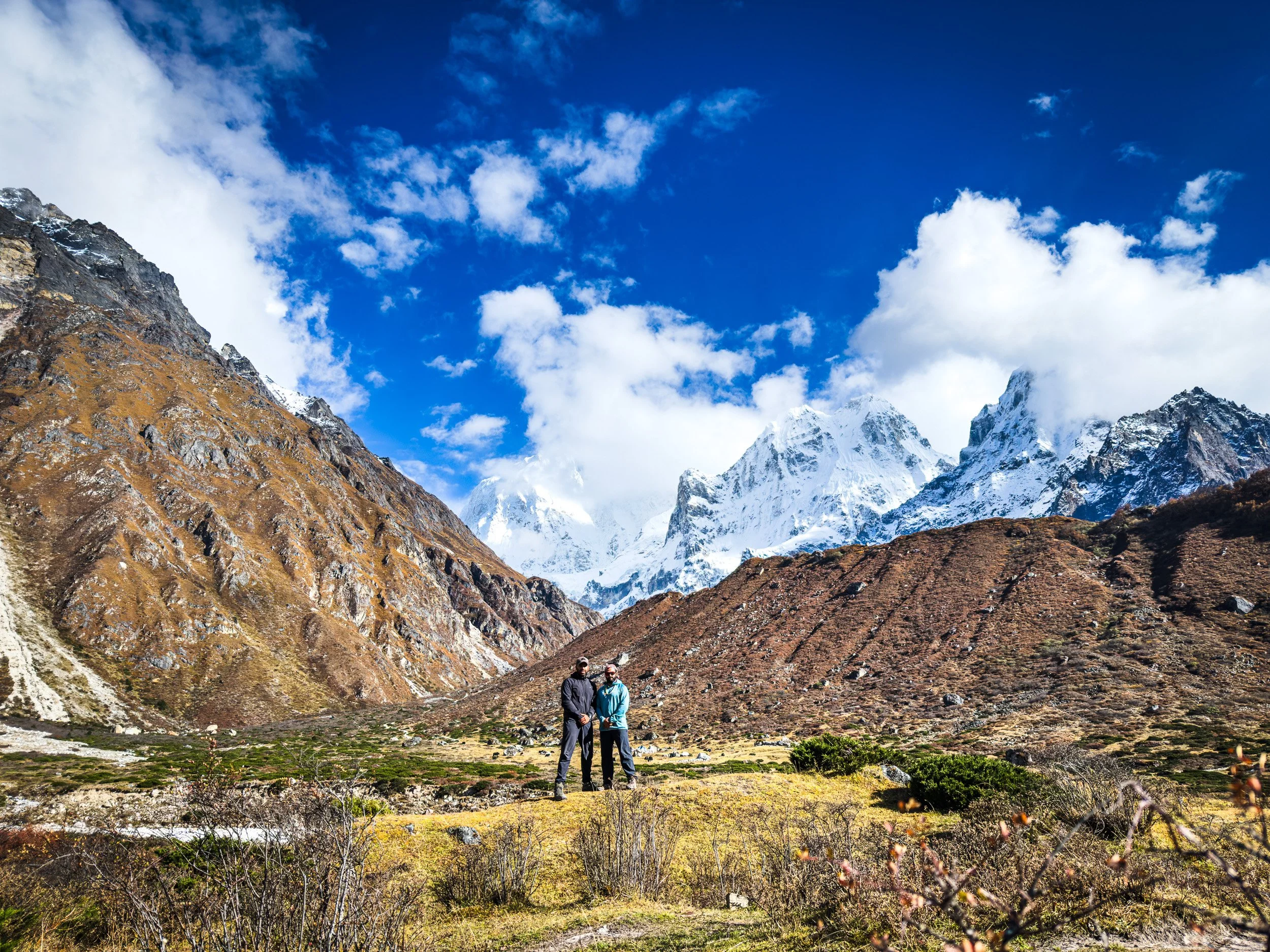
View of Mt. Jannu and its range, seen from Khambachhen, Autumn 2025 enroute Kanchenjunga Circuit Trek
Kanchenjunga Circuit Trek Permits Guide
Planning the Kanchenjunga Circuit Trek involves more than choosing the right itinerary or preparing physically for the journey. As one of Nepal's designated Restricted Area Treks, the region has specific regulations that every trekker must comply with before setting foot on the trail. Understanding the Kanchenjunga Circuit Trek permits, associated costs, and trekking regulations is therefore an essential part of planning your adventure.
Unlike the Everest or Annapurna regions, you cannot trek independently in Kanchenjunga. The Nepal Government requires all foreign trekkers to obtain a Kanchenjunga Restricted Area Permit (RAP), a Kanchenjunga Conservation Area Permit (KCAP), and undertake the trek through a registered trekking agency accompanied by a licensed trekking guide. These regulations not only help manage tourism in this remote border region but also contribute towards conservation efforts and improve safety in one of Nepal's most isolated trekking destinations.
Having organised and led expeditions in the Kanchenjunga region for several years, I have found that permit regulations are often one of the most misunderstood aspects of planning the trek. In this guide, I'll explain which permits are required for the Kanchenjunga Circuit Trek, the current Kanchenjunga trek permit costs, how the application process works, and the regulations you should be aware of before arriving in Nepal.
Kanchenjunga Circuit Trek Permits & Regulations at a glance
Why is Restricted Area Permits and Conservation Area Permit required for Kanchenjunga Circuit Trek?
Kanchenjunga region touches 3 countries, Nepal, Tibet (China) and India. With the sensitive geo-political nature of its location and its remoteness, Government of Nepal has declared Kanchenjunga as the Restricted Area Trek. This requires special Restricted Area Permits provided by Department of Immigration, Nepal.
The second reason for this permit is to facilitate the visitors for their outdoors adventure in the region in a safe manner with the expert supervision and faciliation by Trekking Guides who are responsible to oversee the regulatory compliance as well as ensure safe & enjoyable experience of the journey.
The third reason for Conservation Area Permits are to assist the region financially as Kanchenjunga Conservation Area committee can facilitate various endeavours of trail management, visitor management and sustainable tourism practices.
To know more about the Restricted Area Regions of Nepal and its brief history and how it has evolved in recent years, you can read the article here.
What Permits are Required?
Trekking in Kanchenjunga requires 2 Permits -
Restricted Area Permits obtained via Department of Immigration
Kanchenjunga Conservation Area Permits acquired from Kanchenjunga Conservation Area office in Tapethok or Ghunsa.
Both of these permit systems effectively helps for Conservation endeavors of the region providing funding for the local management committee and the government while the Restricted Area Permits are mainly for Regulatory practices.
Kanchenjunga Circuit Trek Permit Costs
These permits are government allocated permit fees. The restricted area permit cost for Kanchenjunga is USD 20 per week for the first 4 weeks and 25 USD per week beyond the first 4 weeks.
Conservation Area Permit fees for Kanchenjunga is NRs. 2000 per person for foreigners and NRs. 500 per person for visitors from SAARC nations. Children below 10 years of age are exempt from Conservation Area Permit fees. However, all the relevant Restricted Area Permit fees apply.
Can you trek Kanchenjunga Circuit independently?
The short answer is No.
Kanchenjunga requires mandatory Trekking Guide to participate in this adventure.
Similarly, as of March 22, 2026, Solo Trekkers are allowed to acquire Restricted Area Permits whereas previous regulations required minimum of 2 trekkers to acquire these permits.
With the remote nature of the trek itself and its volatile geo-political position, independent trekking in Kanchenjunga is not allowed. There are permit checkposts at Tapethok & Ghunsa.
Additionally, permits are obtained via registered Trekking Agencies.
Documents Required for Kanchenjunga Circuit Trek Permits
The 3 main documents that are required for the permits are:
Copy of Passport
Visa Stamp once you complete Immigration in Port of Entry(TIA) or E-Visa Number (if applied prior to the arrival of Nepal)
Trek & Travel Insurance
All the documents are to be submitted in digital format. If you wish to learn more about how we handle sensitive passport documents, please read our Privacy Policy regarding sensitive documents.
The permits would be processed by the Agency and carried by your Trek Guide. If you wish to submit your documents after your arrival, please note that there can be possible delays in acquiring the relevant permits prior to our scheduled departure.
COMMON PERMIT QUESTIONS
-
Restricted Area Permits can only be obtained via Trekking Agency after online processing.
If your Port-of-Entry to Nepal is either of the land borders (Kakarvitta in Eastern Nepal or Raxaul in Birgunj, please send the valid aforementioned documents to your trekking agency. We would then process your permit prior to your arrival and prepare it for the trek.
Your Trekking Guide would handle all the Permits and we will arrange for the Permits to be with you while we enter the Kanchenjunga Conservation Area.
-
No, the Restricted Area Permits and Conservation Area Permits are non-transferable and non-refundable once issued.
The permits are available based on our planned itinerary, thus might require additional Permit Fees for the off-scheduled time extensions or changes.
-
No, Nepalese citizens do not need Restricted Area Permits. You are only required to pay the Conservation Area fees of NRs. 100 per person.
-
Restricted Area Permit are obtained by submitting the itinerary details to the immigration department. Any instances of itinerary deviation or scheduled changes warrant additional Permit Fees based on the number of days/weeks.
We obtain Restricted Area Permits for 3 weeks as per our planned itinerary.
-
Yes, since we submit our entry and exit dates based on our itinerary, it might warrant additional Permit Fees for additional number of days inside the conservation area or a completely new permit for major rescheduling.
Guide’s Note
Over the years guiding across this landscape, one of the biggest misconceptions I've encountered is that permits can simply be purchased on arrival or be obtained via Trek Checkpost in Tapethok or Ghunsa.
In reality, the Restricted Area Permit requires advance processing through a registered trekking agency, which is one of the reasons I always encourage trekkers to confirm their travel dates early. Having your documents prepared well before your arrival helps avoid unnecessary delays and ensures you can begin the expedition as planned.
Conclusion
Understanding the Kanchenjunga Circuit Trek permits is one of the first steps in planning this remarkable journey. Once your permits and logistics are in place, the real adventure begins—through ancient forests, remote mountain villages, high mountain passes, and the spectacular North and South Base Camps of the world's third-highest mountain.
If you're ready to explore the complete route, detailed itinerary, accommodation, costs, trek difficulty, and everything else you need to prepare, visit our Kanchenjunga Circuit Trek page and start planning your adventure with confidence.
