
Kanchenjunga Circuit Trek Packing List & Gear Guide
What to Pack for Kanchenjunga Circuit Trek and Gear Guide
Packing for the Kanchenjunga Circuit Trek is not about carrying more gear—it's about carrying the right gear for one of Nepal's most remote and diverse trekking regions. Over the course of a 22–24 day expedition, you'll experience everything from the warm, subtropical valleys of eastern Nepal to freezing alpine landscapes above 5,000 metres. A well-planned Kanchenjunga Circuit Trek packing list not only keeps you comfortable throughout the journey but also plays an important role in your safety and overall trekking experience.
Unlike the Everest or Annapurna regions, opportunities to purchase or replace forgotten equipment are extremely limited once the trek begins. Preparing your Kanchenjunga trek packing list before arriving in Nepal is therefore essential. Understanding what to pack for the Kanchenjunga Circuit Trek means considering changing temperatures, prolonged time at high altitude, basic teahouse facilities, and the realities of trekking through one of the least commercialised regions of the Himalayas.
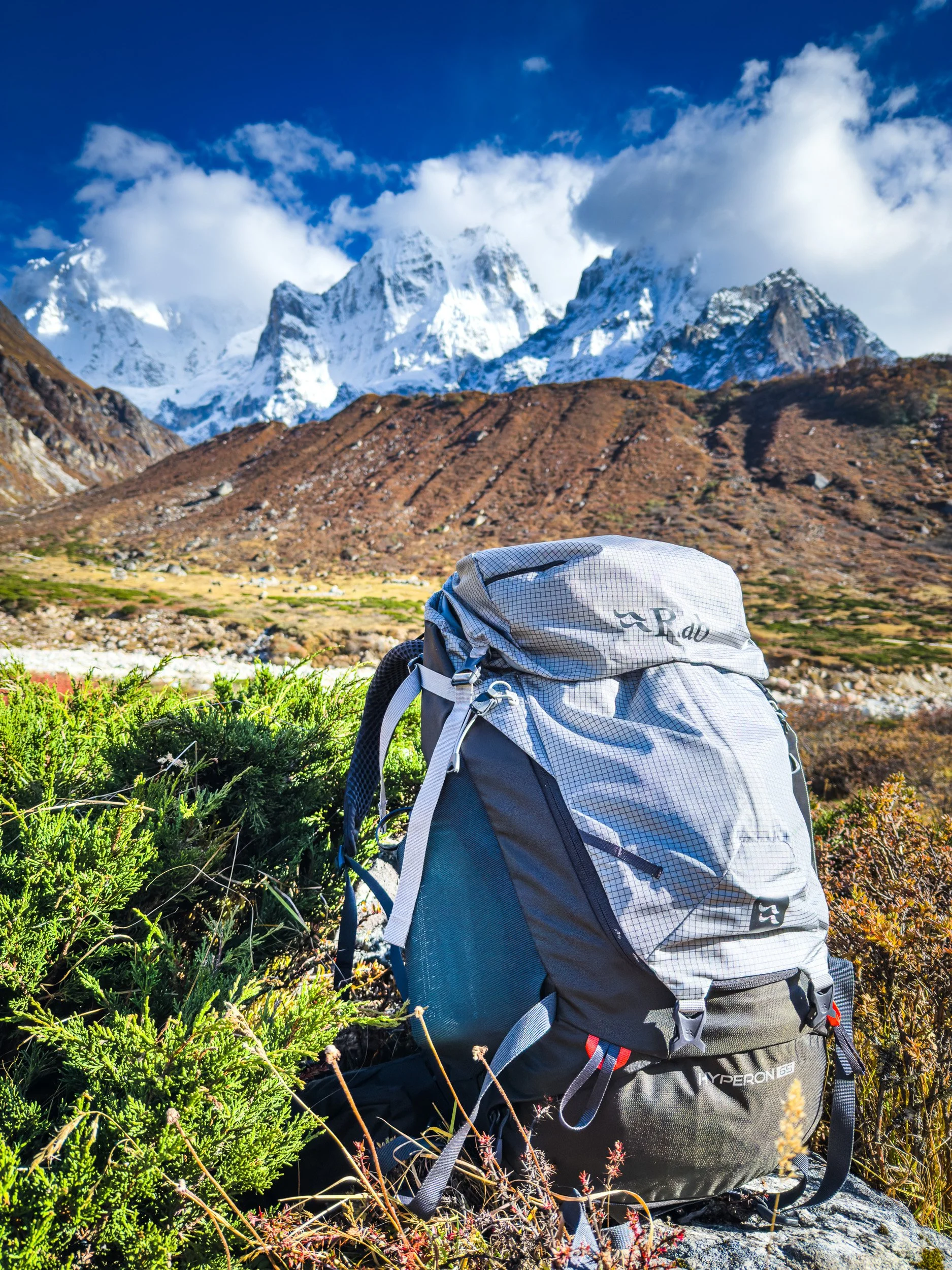
Bag Pack for Kanchenjunga Circuit Trek
This 65 ltr volume Bag Pack is the one that I use to carry about 14 to 16 kgs as a Trek and Climbing Leader. All my essentials and Guiding essentials fit in this bagpack along with some comfort items.
Having guided expeditions in the Kanchenjunga region over the years, I've found that many trekkers either overpack unnecessary items or underestimate how quickly the conditions change as they gain elevation. In this Kanchenjunga Circuit Trek gear guide, I'll explain not only what to pack, but also why each piece of equipment matters, along with practical recommendations based on real experience leading treks in this remarkable mountain region.
Let us look at this quick summary of the fact sheet for Packing Guide in Kanchenjunga Circuit Trek
Trek Logistics & Overview
One of the biggest mistakes trekkers make when preparing their Kanchenjunga Circuit Trek packing list is assuming the weather remains consistent throughout the journey. In reality, the trek passes through several distinct climatic zones over the course of 22–24 days, beginning in the warm, subtropical valleys of eastern Nepal before gradually ascending into the harsh alpine environment above 5,000 metres.
Rather than packing for the coldest day of the expedition, I always recommend packing for the entire journey. A flexible layering system allows you to remain comfortable as temperatures, weather conditions, and terrain change dramatically with elevation. Understanding these transitions will not only help you decide what to pack for the Kanchenjunga Circuit Trek, but also avoid carrying unnecessary weight on a trek where every kilogram matters.
Understand the climate & weather for Kanchenjunga Circuit Trek
Weather Summary
Based on meteorological data models (Meteoblue, Mountain-Forecast, & Climate-Data records).
| Spring(Mar – May) | 8°C to 25°C Day Avg: 20°C–23°C | Night Avg: 10°C–14°C | Precipitation Moderate (30–75 mm/mo in Mar/Apr). Increases to ~180–250 mm by late May. |
|---|---|---|
| Autumn(Sep – Nov) | 7°C to 24°C Day Avg: 18°C–22°C | Night Avg: 9°C–14°C | Precipitation Heavy in early Sep (~250–320 mm). Drops sharply in Oct (45–70 mm) & Nov (10–20 mm). |
| Spring(Mar – May) | -6°C to 14°C Day Avg: 5°C–10°C | Night Avg: -4°C to 1°C | Precipitation Rain & snow mix. Mar–Apr snow (30–60 mm equiv). May rainfall increases (80–120 mm). |
|---|---|---|
| Autumn(Sep – Nov) | -8°C to 13°C Day Avg: 3°C–9°C | Night Avg: -5°C to 2°C | Precipitation Sep fog & moisture (100–150 mm). Mostly clear Oct (15–30 mm). Very dry Nov (10–15 mm). |
| Spring(Mar – May) | -16°C to 6°C Day Avg: -1°C to 3°C | Night Avg: -12°C to -6°C | Precipitation Exclusively snowfall. Mar–Apr wind/snow squalls (25–50 mm). Late May moisture (60–90 mm). |
|---|---|---|
| Autumn(Sep – Nov) | -18°C to 6°C Day Avg: -2°C to 3°C | Night Avg: -13°C to -4°C | Precipitation Residual Sep snow (60–90 mm). Clear Oct (10–20 mm). Extremely cold & windy Nov (5–15 mm). |
Instead of packing for one type of weather, prepare for three very different climatic zones throughout the trek.
Lower Elevation (Sekathum – Amjilosa – Gyabla)
Approximate Elevation: 1,500–2,700m
The first few days of the trek are generally warmer than most people expect. The trail follows the Ghunsa Khola through lush forests, bamboo groves and cardamom plantations where humidity remains relatively high.
During spring and autumn, daytime hiking is often comfortable in lightweight clothing, although evenings may still require an additional layer.
Recommended Clothing
Lightweight moisture-wicking trekking shirts
Lightweight trekking trousers
Sun hat or cap
Sunglasses
Lightweight fleece for evenings
Thin hiking socks
Heavy down jackets are generally unnecessary during the daytime at these elevations.
Mid Elevation (Phale – Ghunsa – Khambachen)
Approximate Elevation: 3,200–4,000m
Crossing into Phale marks a noticeable transition in climate.
The forests begin thinning, temperatures drop considerably, and mornings become crisp. While afternoons may still be pleasant under clear skies, the evenings quickly become cold, particularly during spring and autumn.
This is where your layering system becomes increasingly important.
Recommended Clothing
Merino or synthetic base layer
Mid-weight fleece
Trekking trousers
Light insulated jacket
Warm hat
Lightweight gloves
Most trekkers begin using their insulated jackets every evening from Ghunsa onwards.
High Elevation (Lhonak – Pangpema – Selele High Camp)
Approximate Elevation: Above 4,500m
The final stages of the Kanchenjunga Circuit Trek expose you to alpine tundra, glacial valleys and high mountain passes where temperatures frequently remain below freezing during the night.
Cold winds, snowfall and rapidly changing mountain weather become normal rather than exceptional.
At these elevations, layering is no longer optional—it becomes essential for comfort and safety.
Recommended Clothing
Thermal base layers
Warm fleece
Down jacket (700–850 Fill Power recommended)
Waterproof shell jacket
Waterproof trousers
Warm gloves
Insulated hat or beanie
Neck gaiter or buff
A quality waterproof outer shell is equally as important as a warm down jacket, particularly if conditions become windy or snowy.
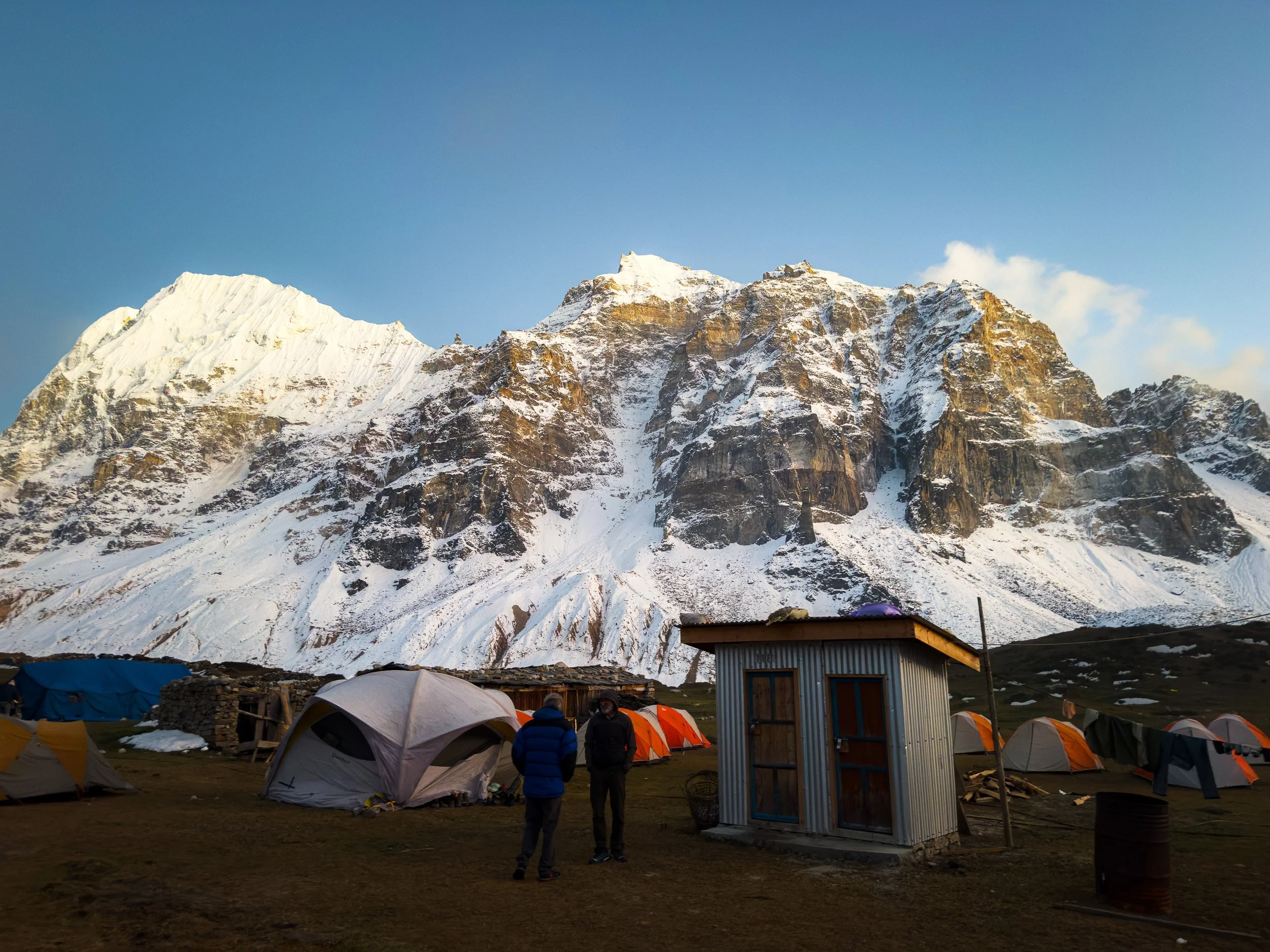
Camping at Lhonak in 4780m enroute Kanchenjunga Circuit Trek. If you choose Camping style for this trek, then we would have a different Gear and Equipment Packing Guide.
The Layering System Explained
Rather than carrying several bulky jackets, build your clothing around four simple layers that can be combined depending on the conditions.
Base Layer
The base layer sits directly against your skin and helps regulate body temperature by moving moisture away from your body.
Recommended
Merino wool long-sleeve top
Thermal leggings
Synthetic alternatives
Avoid cotton clothing, as it absorbs moisture and dries slowly.
Mid Layer
The mid layer provides warmth by trapping body heat while remaining breathable during hiking.
Recommended
Fleece jacket
Grid fleece
Lightweight insulated jacket
This is often the layer you'll wear most throughout the trek.
Insulation Layer
Your insulation layer is primarily used during rest stops, evenings and early mornings.
Recommended
Down jacket (700–850 Fill Power)
Synthetic insulated jacket as an alternative
This layer spends much of the day inside your backpack but becomes invaluable once temperatures drop.
Waterproof Shell
The outer shell protects against wind, rain and snowfall while allowing moisture to escape.
Recommended
Waterproof breathable shell jacket (preferably 3-layer construction)
Waterproof trousers
Unlike insulated jackets, a waterproof shell is designed to keep weather out rather than provide warmth.
Footwear
Your boots are arguably the most important piece of equipment you'll carry throughout the trek.
Choose well-broken-in hiking boots with good ankle support and reliable grip. The trail includes muddy forests, rocky river crossings, moraine terrain and loose scree, making traction particularly important.
Carry several pairs of moisture-wicking hiking socks and consider bringing lightweight camp shoes or sandals for the evenings.
Essential Accessories
Small items are often overlooked but make a significant difference over a three-week trek.
Recommended accessories include:
Trekking poles
Headlamp with spare batteries
Sunglasses with UV protection
Warm beanie
Sun hat
Buff or neck gaiter
Waterproof gloves
Lightweight liner gloves
Water bottles or hydration bladder
Water purification tablets or filtration system
Power bank
Dry bags or waterproof stuff sacks
What your Guides/Trek Leader Personally Pack for the Kanchenjunga Circuit Trek?
Over the years, my packing list has evolved into a simple, reliable system that has served me well across multiple expeditions in the Kanchenjunga region. Rather than carrying more equipment, I focus on carrying versatile gear that performs well from the warm valleys of Sekathum to the freezing alpine environment of Lhonak and Pangpema above 5,000 metres.
Packing List & Gear Guide
My personal gear & equipment checklist as high-altitude Guide, Weight ~12 to 14 kgs
Common Packing Mistakes
Even experienced trekkers occasionally overpack or bring the wrong equipment.
Some of the most common mistakes include:
Packing too many changes of clothing
Bringing cotton clothing instead of moisture-wicking layers
Carrying heavy casual clothes that are rarely used
Buying brand-new hiking boots immediately before the trek
Underestimating how cold mornings become above Ghunsa
Forgetting waterproof gloves or rain protection
Carrying unnecessary electronics that add weight
A lighter backpack almost always results in a more enjoyable trekking experience.
Conclusion
Packing for the Kanchenjunga Circuit Trekis less about carrying more equipment and more about carrying the right equipment. A well-planned layering system, reliable footwear and carefully selected essentials will keep you comfortable throughout one of Nepal's most remote and rewarding trekking experiences.
If you're looking for a complete overview of the trek—including the itinerary, permits, accommodation, costs and what to expect on the trail—continue to our Kanchenjunga Circuit Trek guide. You can also explore our dedicated articles covering Kanchenjunga Trek Permits, Kanchenjunga Trek Costs, and other essential planning resources before your adventure begins.
