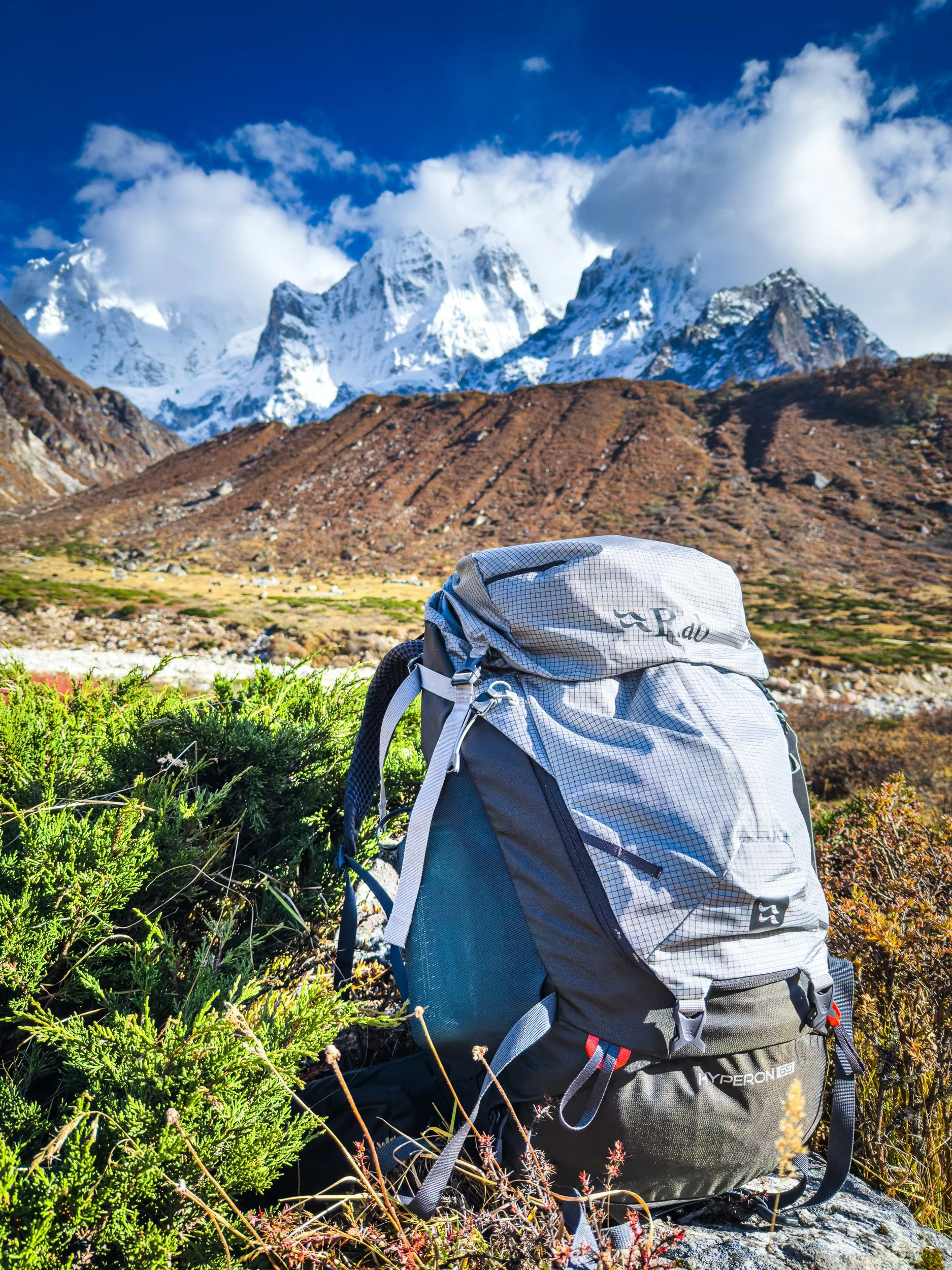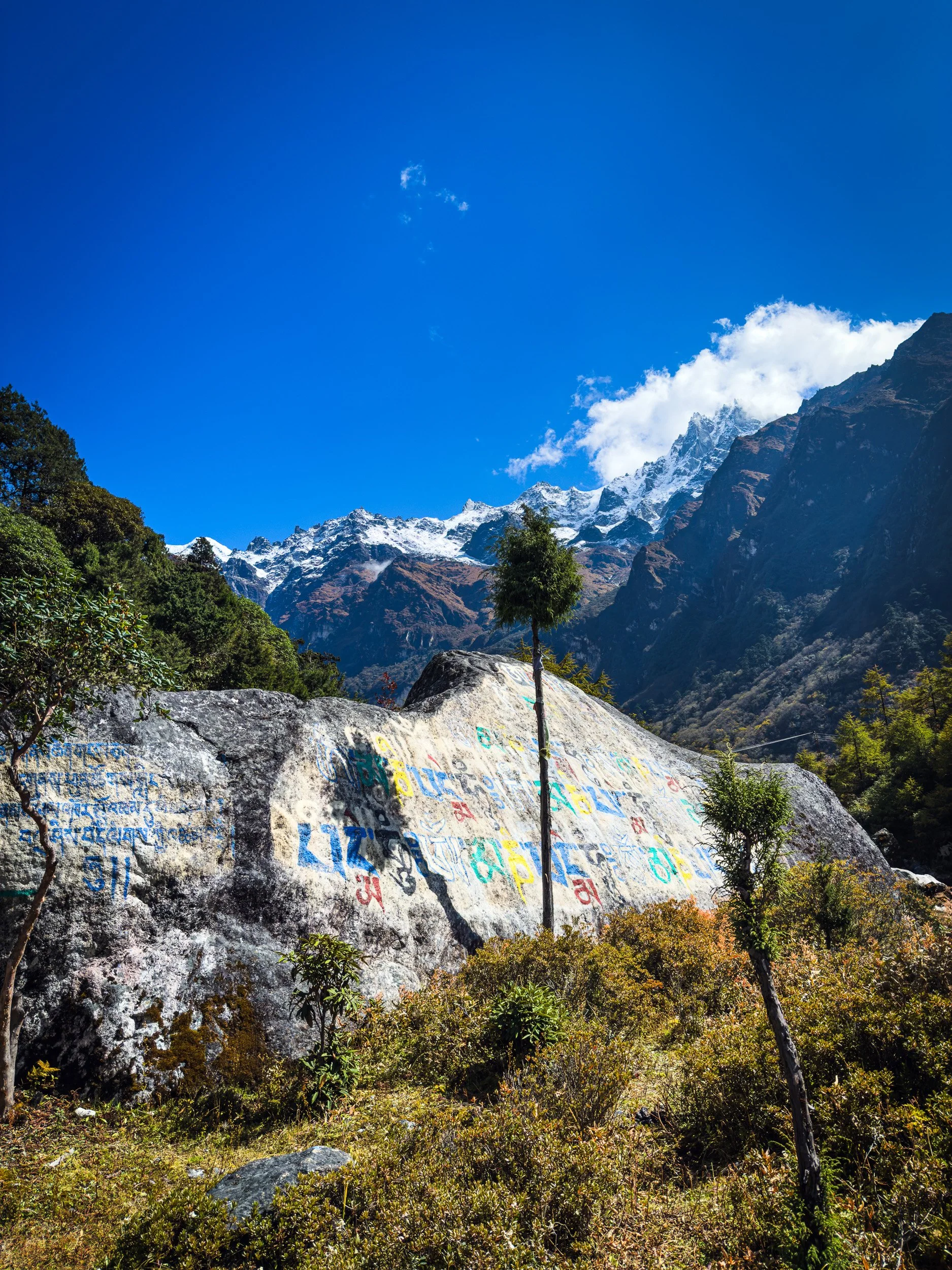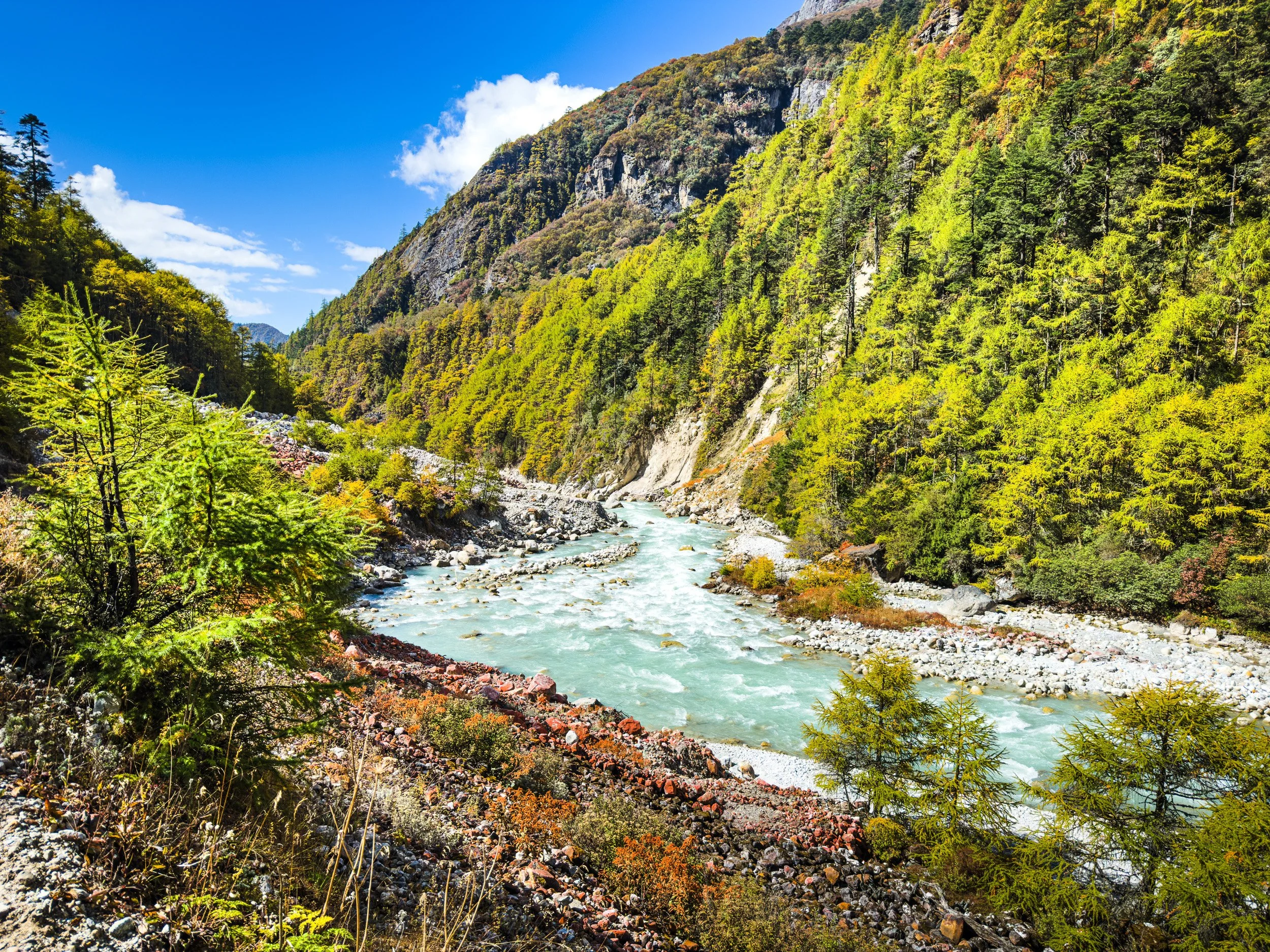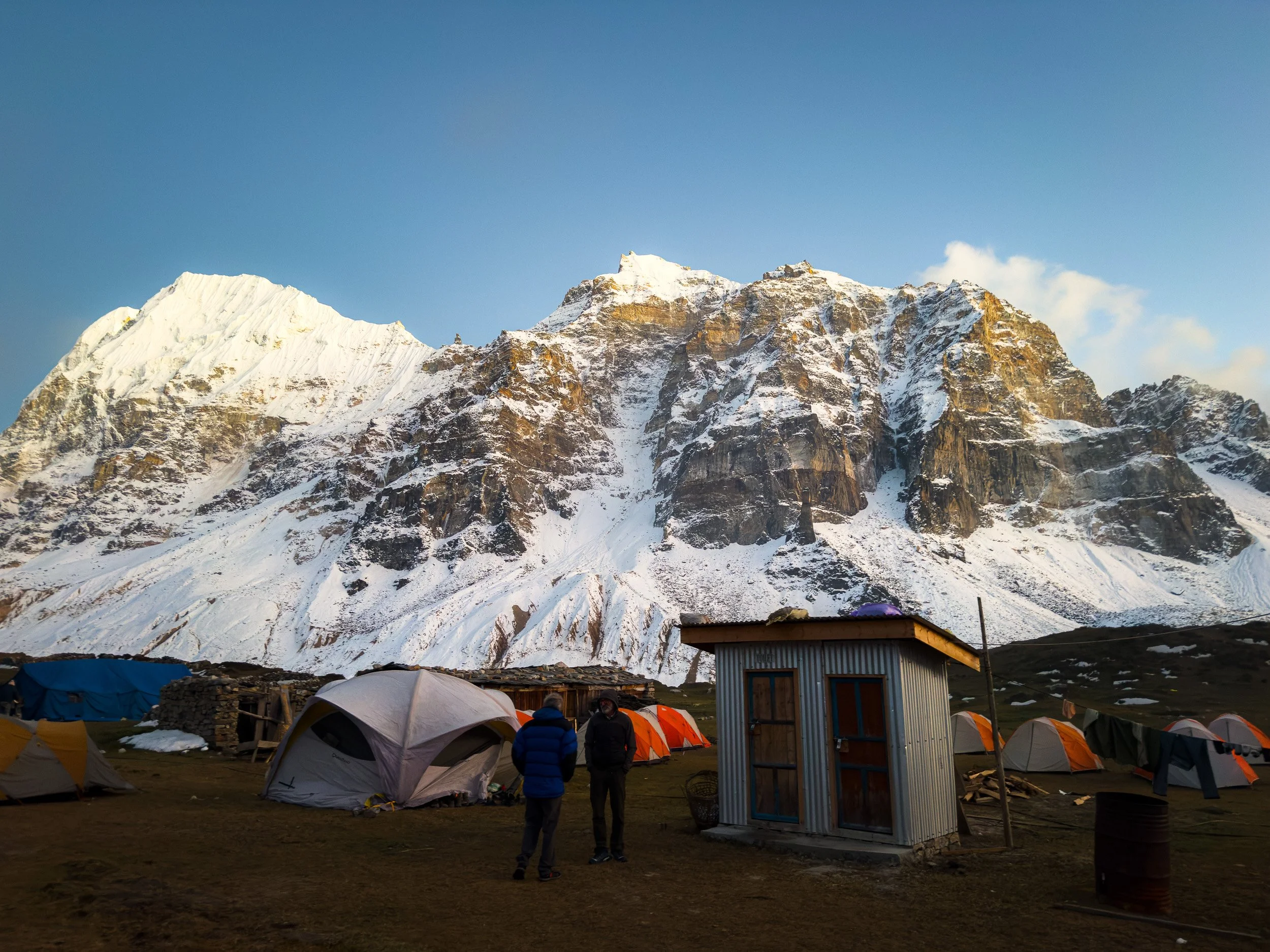
Experience Kanchenjunga Circuit Trek
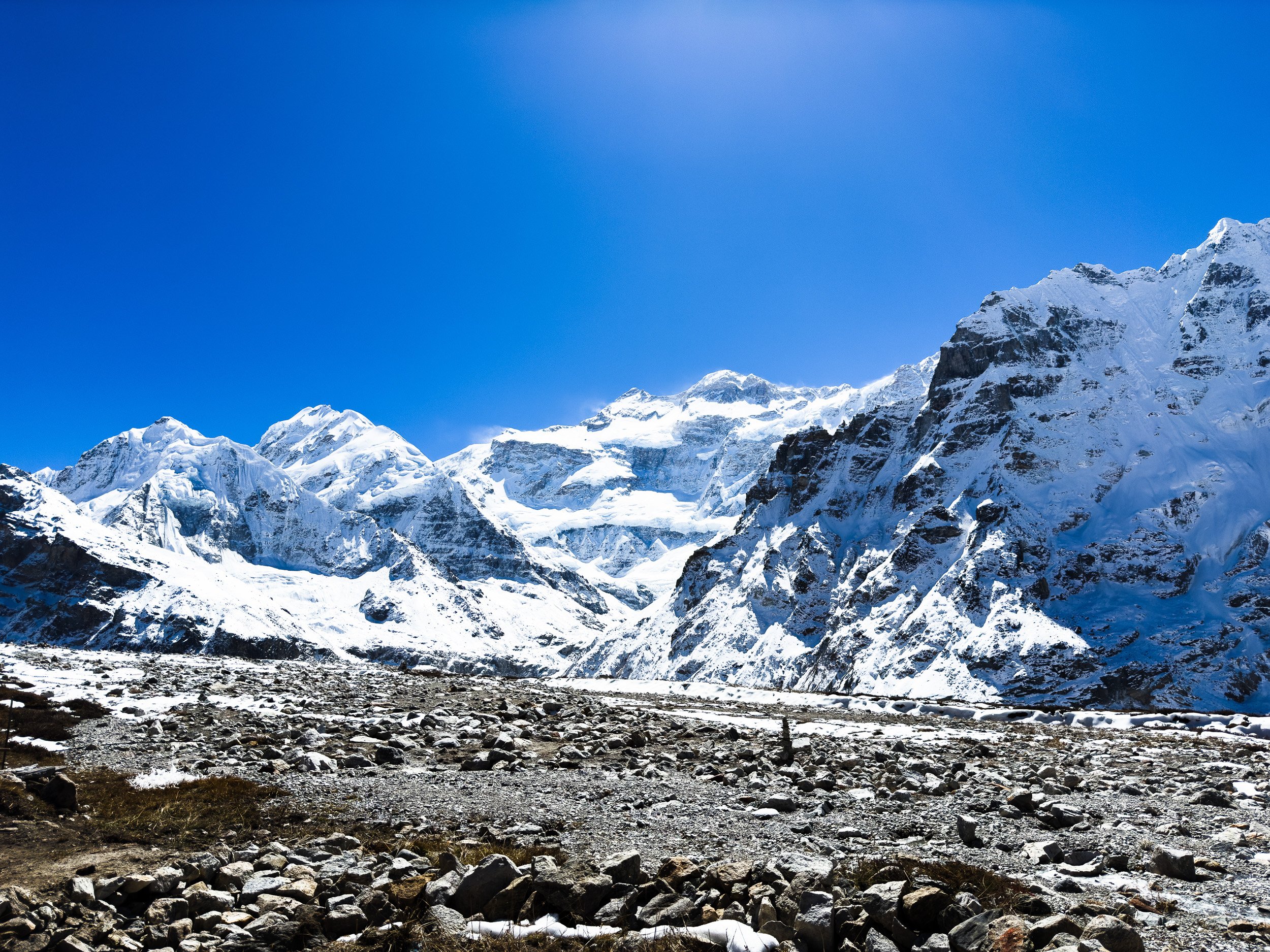
The Kanchenjunga Circuit Trek is one of Nepal's most remote and rewarding trekking adventures, taking you through the pristine Kanchenjunga Conservation Area to both Kanchenjunga North Base Camp (Pangpema) and South Base Camp (Oktang). Home to Mount Kanchenjunga (8,586m), the world's third-highest mountain, this Restricted Area Trek remains one of Nepal's least visited trekking destinations, offering an authentic wilderness experience far removed from the commercial trails of Everest and Annapurna.
Crossing diverse landscapes from subtropical forests to alpine valleys and high mountain passes, the Kanchenjunga Circuit Trek showcases one of the world's recognised biodiversity hotspots—home to the Red Panda, Snow Leopard, and Himalayan Blue Sheep. Best suited to experienced trekkers, it remains one of Nepal's last truly wild trekking experiences.
Plan Your Adventure
USD 2,340 / person
Based on 2 trekkers
- Kathmandu – Bhadrapur – Kathmandu Flight
- Private Jeep Transfer as per the itinerary
- Food and Accommodation during the trek
- 3 Nights Accommodation in Kathmandu
- 1 Trek Guide & 1 Trek Assist (Porter) shared between 2 trekkers for entirety of trek
- Restricted Area Permit & KCA Permit
Trek Overview
21 Days (16 Trekking Days)
Eastern Nepal
Pangpema (5,143m / 16,873 ft)
Lhonak (4,792m / 15,722 ft)
Teahouse / Local & Nepali Cuisine
Best Time to Trek
March–May
September–November
Challenging; heavy snowfall possible
Not recommended
Physical Requirements
Excellent
Recommended
Not Required
6–7 Hours per Day (Longest: 8–10 Hours)
Permits & Logistics
Required
Mandatory
Min 2 – Max 5
Mandatory (High Altitude w. Heli-Evacuation)
Connectivity & Utilities
Limited | Starlink in select teahouses
Micro Hydro & Solar
No ATMs on trail | Cash only
Route Highlights
Pangpema & Oktang | Selele, Mirgin, Sinelapche La
Red Panda, Snow Leopard, Blue Sheep, etc
Kanchenjunga, Jannu, Rhatong, etc
Why Trek Kanchenjunga?
A True Wilderness Experience
Unlike Nepal's more established trekking regions, the Kanchenjunga Circuit Trek remains one of the country's least visited adventures, welcoming only around 600 trekkers each year. Far removed from the crowds, it offers a rare opportunity to experience quiet trails, authentic mountain villages and a genuine sense of exploration.
One of the World's Great Biodiversity Hotspots
The Kanchenjunga Conservation Area is recognised as one of the world's important biodiversity hotspots. From subtropical forests and cardamom plantations to alpine meadows and glacial valleys, the trek passes through remarkable ecosystems that support wildlife including the elusive Red Panda, Snow Leopard and Himalayan Blue Sheep.
Two Base Camps, One Complete Journey
Few treks in Nepal combine two major mountain objectives into a single itinerary. The Kanchenjunga Circuit Trek visits both Kanchenjunga North Base Camp (Pangpema) and South Base Camp (Oktang) while crossing the spectacular Selele, Mirgin and Sinelapche mountain passes to complete the full circuit.
An Authentic Himalayan Experience
Life along the trail continues at its own pace. Family-run teahouses, warm local hospitality and traditional mountain communities remain at the heart of the journey, creating an experience that feels genuine rather than commercial.
A Trek That Rewards Preparation
With its remote location, rugged terrain and elevations above 5,000 metres, the Kanchenjunga Circuit Trek is best suited to experienced trekkers. The challenge is significant, but so is the reward—one of Nepal's last truly wild trekking experiences.
Trek Highlights of Kanchenjunga Circuit Trek
Trek to both Kanchenjunga North Base Camp (Pangpema) and South Base Camp (Oktang) in a single expedition.
Cross three spectacular high mountain passes—Selele La, Mirgin La and Sinelapche La—with panoramic views across the Eastern Himalayas.
Experience one of Nepal's least visited trekking regions, where quiet trails and traditional mountain villages define the journey.
Explore the diverse landscapes of the Kanchenjunga Conservation Area, from lush subtropical forests and cardamom plantations to glacial valleys and alpine tundra.
Look for rare Himalayan wildlife, including the Red Panda, Snow Leopard and Himalayan Blue Sheep, within one of the world's recognised biodiversity hotspots.
Detailed Itinerary
-
Our team would receive you inside the Arrival Halls at the airport as you provide your Flight Arrival Details. You can use the Wi-fi available at the Airport so that it is easier to communicate and coordinate. An Airport Transfer has been arranged and thus, it would drop us to your hotel in Thamel. This would also be the day where we would request you to share the documents required for the Trekking Permits; Copy of Passport and Visa Stamp Copy, a clear photograph from Phone shall suffice.
-
We can use this day to further explore the city of Kathmandu. The usual favourites are the beautiful World Heritage Sites. Bouddhanath Stupa, Patan Palace Square, Swayambhunath Stupa (Monkey Temple), Pashupatinath Temple, etc are some of the notable places or you can choose to have a quiet and quaint day with a relaxing atmosphere inside the Garden of Dreams at Thamel.
On the evening, we would meet up to go over our Gears/Equipment and also make time for Rent/Purchase of any missing items should we require. After a short brief about our plans for tomorrow, we will end this day. It should only take 1-2 hrs for the Preparation and thus, you can fully enjoy your day.
-
We will fly from Kathmandu to Bhadrapur on a short 45 minutes flight. Bhadrapur lies on the south-eastern plains of the country with sub-tropical weather that lies on an elevation of ~70m from sea level.
After landing in Bhadrapur, we will embark on for the long jeep drive that lies ahead of us today. Passing on the Mechi Highway, our road trip can be quite enjoyable given the views of the rolling hills and the landscape are mesmerizing. We will have plenty of breaks along the way to stretch our feet, take rests and have lunch. We will also have our glimpse of Kanchenjunga range enroute that would excite us for the journey for coming days.
We will have lunch at Gopitar roughly at around 12-1 pm. The lunch place serves delicious Daal-Bhaat which I believe, would be our staple diet for the coming weeks. We would aim to reach Fungling (Taplejung) by 5-6 pm and then, take the rest of the evening off to freshen up, shower and do any last-minute snacks shopping as this is the last major town before we dive deeper into the wilderness. The town also has pharmacies and ATMs so it is the place where we can withdraw cash (if needed) or get any medications that we might need.
Time: 9-10 hours
-
Our first true off-road experience begins as soon as we leave the main town of Fungling (Taplejung). The off-road sections will see us traverse our way down to mighty Tamor river and passing through under construction Hydro projects. The road passes through beautiful villages of Mitlung, Chirwa with Cardamom orchards, terraced farmlands, etc. as we bump and move about in the jeep as the road traverses along the bank of Tamor river and soon we arrive in Sekathum.
We will have a brief lunch in Sekathum and bid farewell to modern amenities as we begin our short 2-2.5 hours hike to Itahari. We will have the brief idea of the trails that lies ahead of us as we calm ourselves after the eventful jeep ride and look forward to the trek tomorrow.Since the previous trail with suspension bridge got destroyed by the landslide, we will cross the mighty Ghunsa river in a make-shift Rope-gourney system and get to experience the rugged trails of Kanchenjunga on our first day of hiking.
-
This is the first actual day of our hike as we begin our journey along the bank of Ghunsa river. After hiking for 3-4 hours from Itahari we will reach Amjilosa Phedi from where the trail becomes a rather steep uphill all the way to Amjilosa that takes about 1-1.5 hours, where we take our lunch break.
Since Amjilosa lies on the top of the hill, the views are beautiful and we will get some sparse connectivity for the last-minute conversation back home. After our hike, we will ascend further up following the trails that takes us back down to Ghunsa river, until we reach our teahouse at Thangyam, a beautiful wooden cottage. We will freshen up and rest for the evening to rejuvenate ourselves for the next day. -
Passing through lush forests of Himalayan Birch and Bamboo, we make our way to Gyabla in a rather short hike of 2-3 hours. The forested trail before the uphill section to Gyabla is mesmerizing to say the least.
We will use rest of the day to take rest, do some laundry or take shower. After lunch, we will go for a short hike to explore the village where you can experience the remoteness and grandeur of Kanchenjunga region.
-
Hiking along the beautiful Ghunsa river, we make our way further inside the valley until the landscape opens up after a rather comfortable ascent to Phale (3200 meters) where we would have our lunch after the hike of nearly 4 hours from Gyabla. Phale used to be the farm lands for the village of Ghunsa until the arrival of Tibetan refugees in 1960s when it became the refuge areas when the villages of the region graciously accepted their arrival and helped them settle on the land. There is a branch of Tashi-Choeling monastery in the village where small number of monks reside and helps take care of the monastery.
After the lunch, the trail to Ghunsa is moderately flat and takes about 2 hours to reach the beautiful and the largest village of the region. The valley opens up to breathtaking views of the landscape. Ghunsa has its own micro hydropower and hence, we would be amazed to see the amenities available in the village that is still rooted in its background of Agriculture. There are plenty of teahouses and one or two coffee shops/bakery (Yes, quite surprising).
The village is calm and quaint, where we end the day.
-
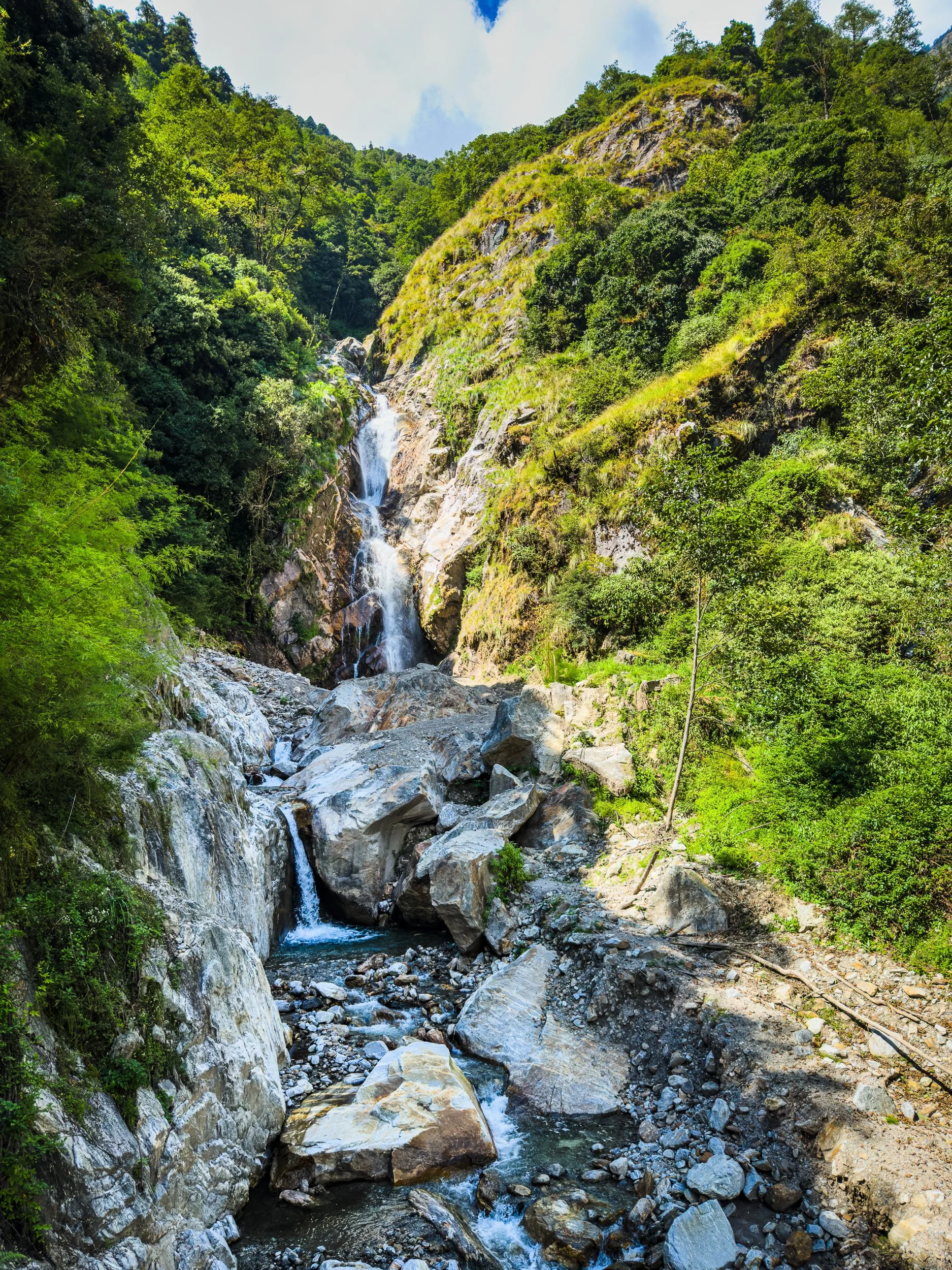
We will hike up to Ghunsa View Point (3800m), spend about 30-40 minutes soaking in the scenery and come back down that takes about 3-4 hours in total. We can spend rest of the day exploring the villages, nearby waterfalls, forested areas or take small walk to the Selele River dam.
-
As we traverse the gradual trail through Rhododendron, Pine and Birch forests, we leave Ghunsa behind. Passing through Hajare Cave, a spiritual site for Limbu people, this used to be the shelter for the pilgrimage to Faktanglung, also known as Mt. Jannu. You would see prayer flags and tridents, offered by the pilgrims to their spiritual deity. Although one might fail to articulate the experience, you would definitely feel the spiritual course of the region.
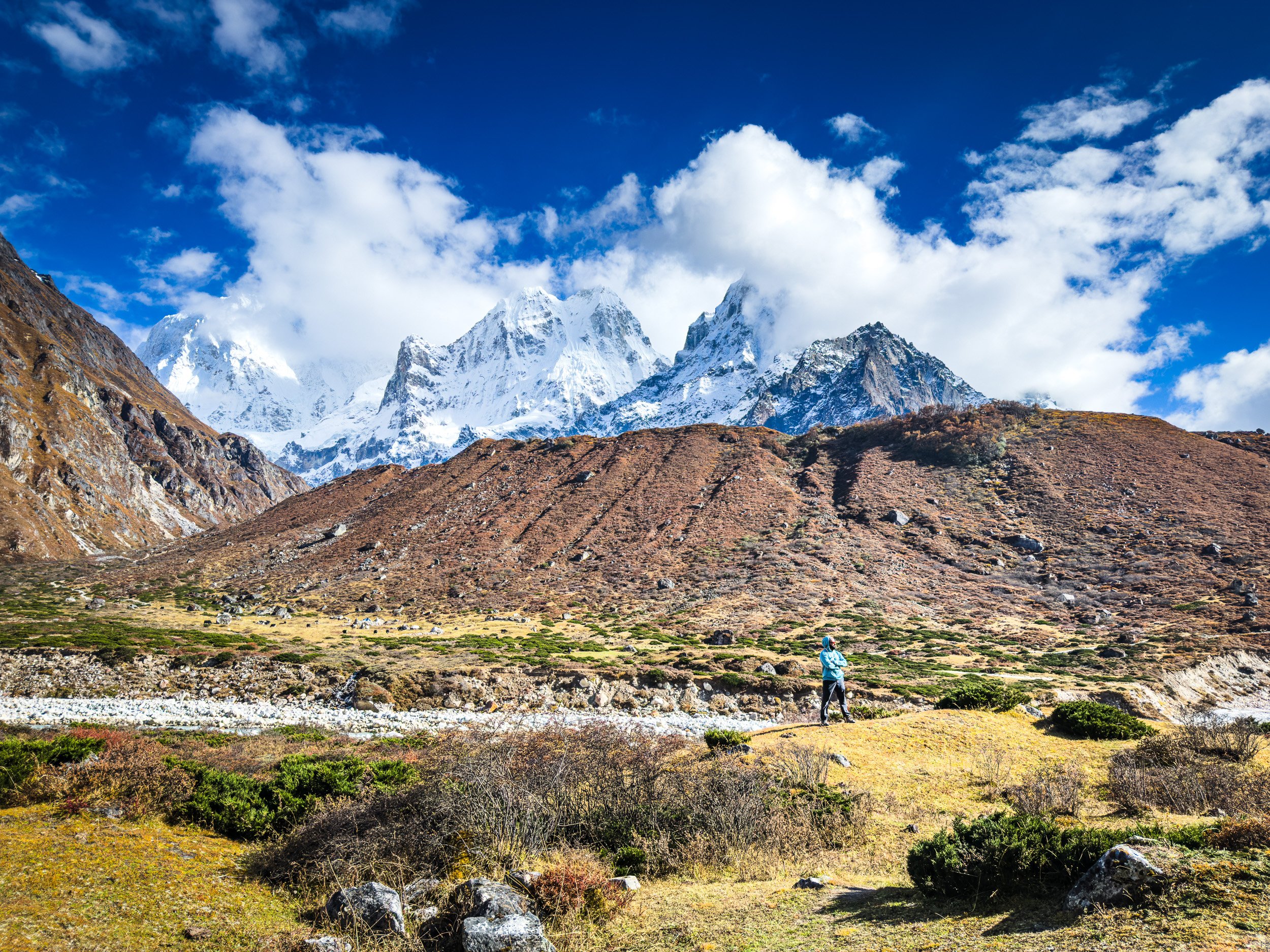
After clearing through the forested area, our trail turns steep uphill where we would slowly make our way to Khambachhen. We will also have the first views of Mt. Jannu and its surrounding range, making us forget the difficulties of the trail. As we complete the uphill section, our trail would be gradual until we reach the village of Khambachhen.
The village has got some basic teahouses and we will also see small huts used by Yak herders on the monsoon period as an Alpine meadow. There is also a seasonal health post at Khambachhen so that we can get medical aid if required. Upon reaching the teahouse, we would do a short hike to the Snow Leopard Research Centre and hopefully, if we are incredibly lucky also catch the glimpse of the queen of Himalayas, Snow Leopard. Never the less, we could be blessed with the unsuspecting herds of Blue Sheep grazing atop the unsurmountable rock face along with the majestic mountain range that surrounds Khambachhen.
-
After our breakfast, we will begin our rather long hike to the beautiful Jannu View Point. Deviating from the main trail, Jannu is a sacred mountain to the indigenous Limbu & Sherpa community. Every year thousands make this trip on the belief that Mt Jannu is the spiritual passage for their ancestors and with true conviction grants you, your wishes.
Traversing the uphill trail from Khambachhen to Jannu View Point, we would truly feel the spiritual sanctity of this place that is protected by the majestic Himalayas. It might feel surreal as we experience the landscape and strengthens our reasonings on why Kanchenjunga is depicted as spiritual focal point of the Himalayas. The hike is difficult but definitely worth the experience and emotions.
After we spend about considerable amount of time, we return to Khambachhen, as our breathing becomes a bit easier due to the principles of Climb High and Sleep Low and our bodies more ready to accept high alpine environment. -
Making our way across the deserted high alpine landscape, our trail blesses us with the awe-inspiring views of Kanchenjunga massif. Passing through a particular landslide area, we make our way through a steep path to the plateau of Ramche, where there are two lonely teashops where we would have our lunch.
This would also be the place where we would listen to the most recent story of possible Yeti encounter that happened in the monsoon of 2023. The teashop is basic and it will be an all-hands approach to prepare our lunch before our journey to Lhonak.
After our lunch, we will embark on our journey towards Lhonak, the last teahouse village before we make our journey to the beautiful Kanchenjunga North Base Camp (Pangpema), on the next day. Greeted by the vast landscape of Lhonak Peak, Tent Peak and Yachung Khang, we will traverse the gradual trail that takes about 2 hours from Ramche.
-
This would possibly be the hardest day of the trek as we make our journey to Pangpema. The trail begins with a seemingly gradual ascend from Lhonak to Pangpema. However due to landslides and changing topography, the trail passes through steep ups and downs which will make this hike difficult and takes about 4-5 hours to reach the Kanchenjunga Base Camp. Along the way, we will have lunch at a lonely teashop that only opens for specific period during trekking season. It will provide us the much-needed fuel for this journey.
Finally, as we reach our destination at Pangpema which is the name for Kanchenjunga Base Camp or Kanchenjunga North Base Camp at an elevation of 5143 meters. Soaking in the immense grandeur of Mt. Kanchenjunga and its surrounding ranges, this is a time for solemn celebration as we completed this incredible journey. However, this is not the end of our journey yet as we traverse back down to Lhonak that takes about another 3 hours, where we would rest to complete our eventful achievement.
-
It is completely normal to feel a bit tired and out of energy today as we have been consistently pushing ourselves for the past few days. However, this day is not going to be different as we make our way down back to Ghunsa. This is the longest distance that we cover in this trek for a single day that takes about 8 hours of pure hiking excluding the rest periods and covers about 18kms in distance.
After an early morning breakfast of 7:30 am, we aim to be on the trail by 8 am and hopefully be on Khambachhen between 12-1 pm for our lunch period. We will take plenty of rest and tea breaks as needed and again continue towards Ghunsa.Every step that we take would be easier for our body as the air once again becomes thicker and we don’t feel breathless. After a long day of trek, we hopefully arrive to Ghunsa by 5 pm and have time to rest and recover. I also recommend a long overdue shower at Ghunsa, as we have the provision of hot shower at Ghunsa and possibly can take the next day to completely rest and recover whilst also taking care of our laundry situation if needed.
-
Contrary to other itineraries, from my experience, we will use this day to rest and recover instead of hiking. This would be also be the good place to recharge our electronics, power banks, etc. and get physically rejuvenated before undertaking a rather steep uphill trail to Selele High Camp before traversing the beautiful Selele Pass.
-
Starting our hike from the village of Ghunsa, we will deviate towards the Selele Pass trail, that takes us through one of my favorite sections of the trek. Feeling fresh and rejuvenated after the rest day at Ghunsa, we make our way through a uphill forested trail that would bestow us with the amazing views of the beautiful Nango La (pass) which is a part of ‘The Great Himalayan Trail’ (more on that later).
After about 4-6 hours of hiking, we would reach Selele High Camp, where there are two teahouses that would host us for the night. The views of Ghunsa valley are mesmerizing to say the least, as we settle in for the night for the big day tomorrow.
-
Unlike other high pass trek, traversing the Kanchenjunga Circuit doesn’t require early morning hike to traverse the pass. We start at around 7:30 am as we make our way through the mountain landscape for about 2 hours before we reach the first pass known as Selele La standing at 4170 metres. After the mandatory photo session as we also have the glimpse of Mt. Makalu and Mt. Everest, we will hike for the next 1.5 hours to reach Mirgin La, the second pass of the trek standing at 4620 meters. There is a small seasonal teashop at this pass, where we will also have some hot tea and devour our well-deserved pack lunch. Hiking for next hour or so, we will reach the third and final pass of this journey also the highest at 4700m known as Sinelapche La. After the celebrations of traversing the 3 passes, we will make a long downward journey to Tseram ending the day at around 4 -5 pm.
We will settle in for the night contemplating about the long day that we had and prepare ourselves for the journey to the beautiful Kanchenjunga Base Camp South, Oktang.
-
While some hikers prefer to break this into 2 days directly coming to Kanchenjunga South Base Camp from southern side of the trek, this trek can be completed in one day given our body is well acclimatized to high altitude.
Traversing the trail from the lovely forest trails of Oktang, we make our way to Ramche where we would be greeted by the grandeur of Rhatong, Kabru peaks, etc to name a few. Making our way up along the Southern Moraine of Mt. Kanchenjunga, we pass through Ramche with two teashops where we would take a break to have some fuel in our body.
Making our way through the gradual ascend, we will reach Oktang – Kanchenjunga South Base Camp which lies at an elevation of 4760m. Mesmerized with the majestic landscape and seeing Mt. Kanchenjunga one more time from the Southern side, we complete our journey to the Base Camp, marking the prominent milestone of our journey.
This is also the expedition side for summiting Mt. Kanchenjunga. The actual expedition base camp is 5-6 hours ahead of Oktang. Until 2004/05 A.D., the North Base Camp, Pangpema used to be the original expedition base camp which changed to Oktang given the less risk and complications on the summit route from the Southern side.
Spending some time around Oktang, we make our way back to Tseram marking the end of our final highlight of our trek. With beautiful memories and lifelong experience, we spend the night at Tseram looking forward to next day.
-
Today’s hike would be a relatively shorter compared to the last few days. The beautiful trails that traverse through forest of Rhododendrons, Birch and Pine trees will feel warmer coming down after spending considerable number of days in the high alpine environment. Walking along the banks of Hellok River, we bid goodbye to the magnificent Kanchenjunga region behind us. Enroute we will also see the majestic mountains that hide Kang La, a high pass that connects Nepal and Sikkim, India. Though the pass is rarely used by the trekkers, it is still used by the locals to reach Sikkim where majority of the children of the region are receiving formal education.
It was also used by then famous Buddhist Scholar and British Spy Sharad Chandra Das to secretly visit Tibet in 1900s to document the hidden world of Tibet which was largely closed to the outside world. Locals say, it was such high passes and passages that enabled thousands of Tibetans to escape Chinese occupation and flee to Nepal and India, which is one of the many geo-political reasons, Kanchenjunga is listed as Restricted Areas.
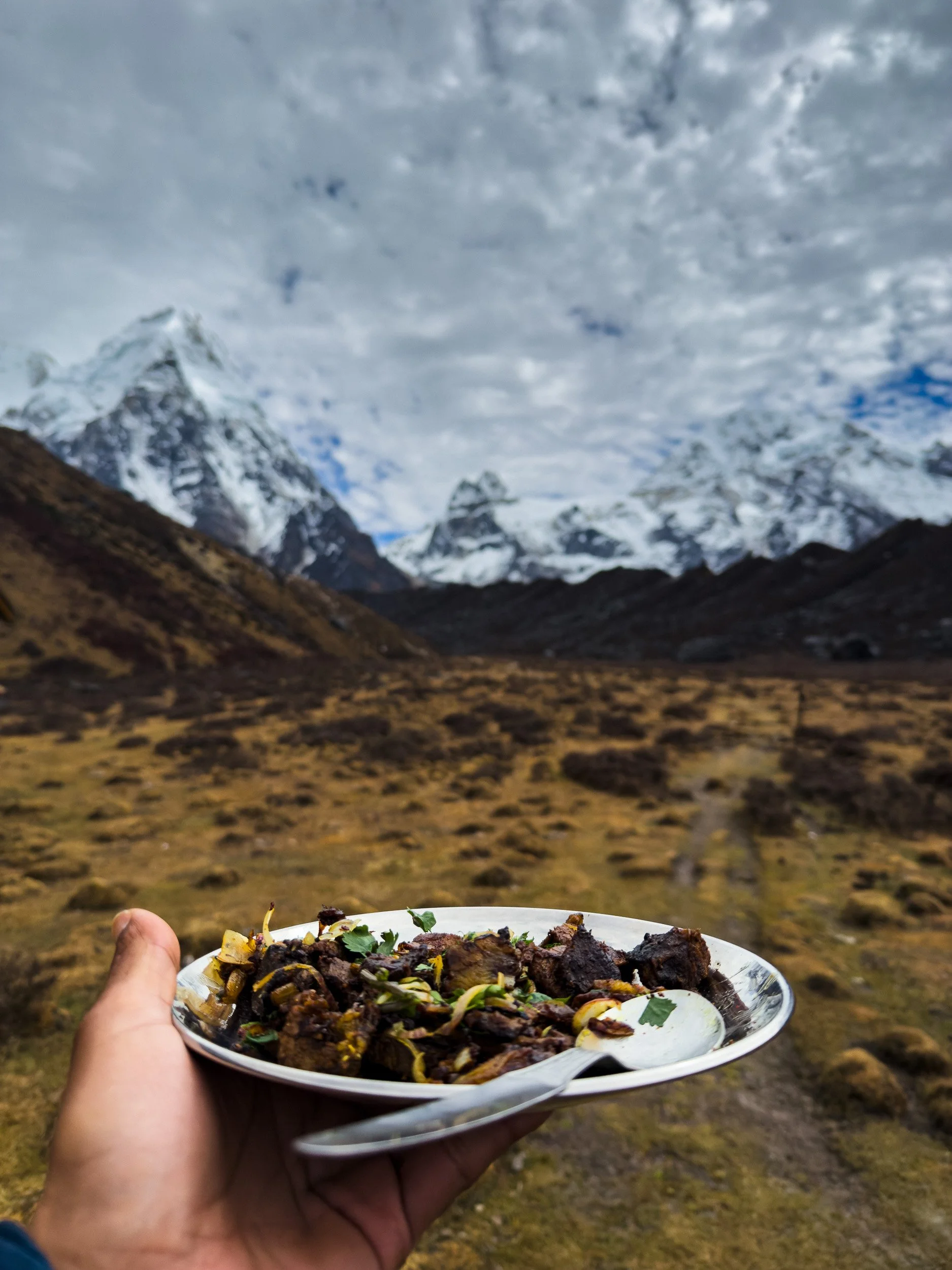
We reach Toronden/Tortong after 4-5 hours and settle in for the night in one of the two lonely teahouses of the trail. Today might be the first day where you might want to taste the famous local liquor called ‘Tongba’ (Fermented Millet liquor) with some stir fried ‘Sukuti’ (Smoke and Sun-dried strips of Yak or Buffalo Meat).
-
This is the final day of our epic journey that took us through one of the most amazing landscapes of the Himalayas. As soon as we leave Torongden, we cross a suspension bridge and deviate right on the trail that runs along Hellok river. Usually, you would find many trekkers take the old route towards Yamphudin through Lase Bhanjyang, but we will take a different route that is more scenic and accessible that will take us directly to Ranipul.
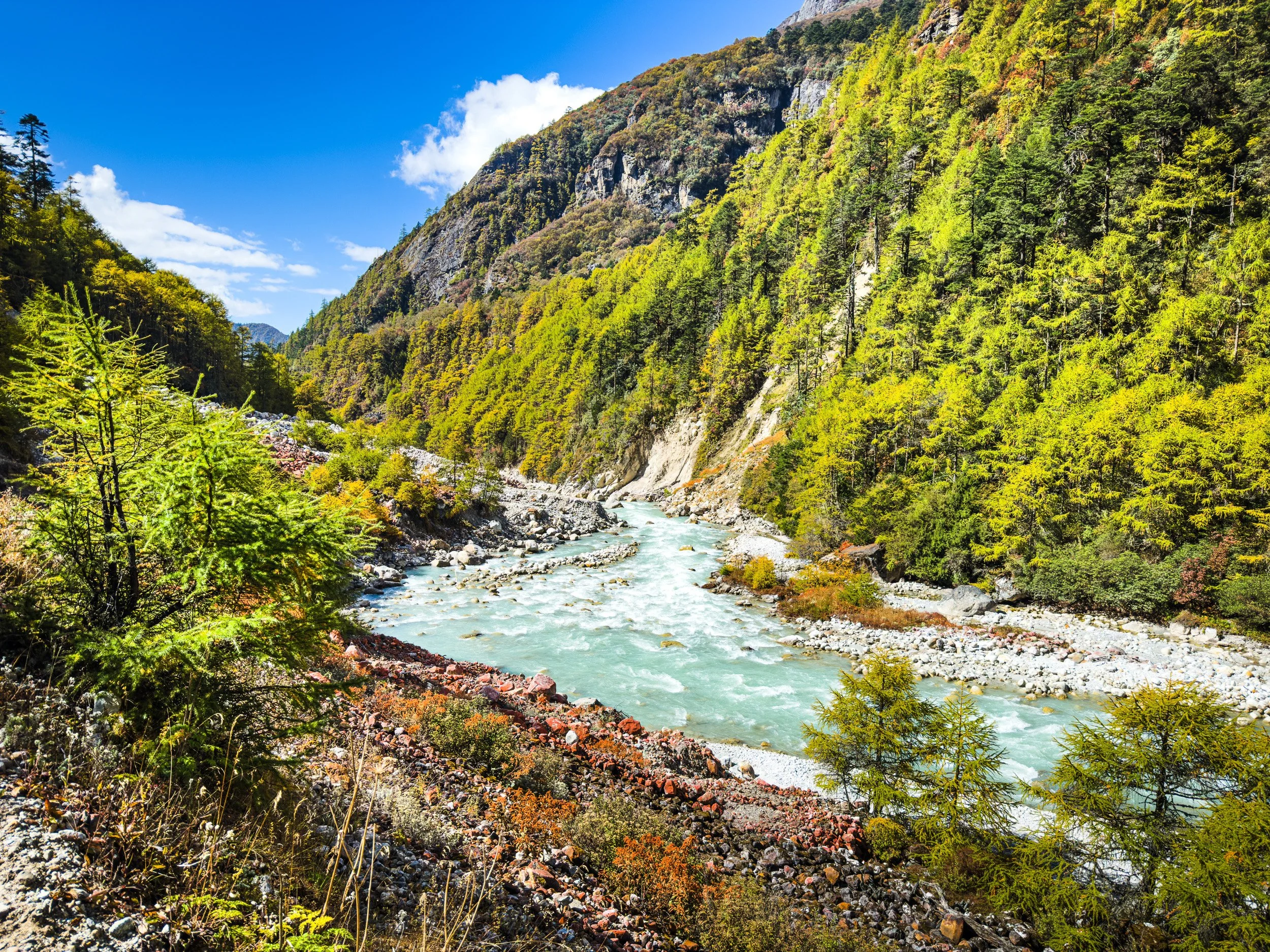
Following the narrow gorges of the river, we follow the beautiful forest trail to the village of Hellok. This is the section of the trail where I was fortunate enough to see the elusive Red Panda in its wild habitat. While fortune may not favor us all the time, we will keep our eyes open and our ears sharp in hopes of this beautiful encounter. This is a rather long day that sees us hike for about 4 hours before lunch and another 4 hours after.
Soon, we find ourselves moving closer to the civilization as we make our way down to Ranipul and finally meet the Jeep Road that we left 15 days ago closing the loop of our majestic Kanchenjunga Circuit Trek. Reminiscing on our achievement, a hot shower and internet connectivity awaits us. We have completed the trek and can settle in with all the tiredness and happy hearts. This is an evening of celebrations waiting for a long jeep ride tomorrow down to Fikkal.
-
We will plan for an early start for this day as we need to cover quite a distance in the jeep drive. It will take us about 3.5 hours to reach Taplejung from Ranipul and then, we will change jeeps to reach Fikkal that takes about 7 hours more. We hope to reach our destination by 5-6 pm.
Needless to say, we will be taking adequate rest stops and breaks amidst our journey before we reach Fikkal and settle in for the night -
After a slow morning, we will pack and then again be in the jeep ride to the airport of Bhadrapur just in time to catch our flight to Kathmandu. There is always the chance for the flights to get delayed so we will set the departure time accordingly.
Another 45 minutes flight to Kathmandu and the transfer to the hotel, we will reunite once again in the evening for a final night of celebrations. We will reminisce on a beautiful time that we spent together before your departure.Promising that we will meet again, we might ask you for your valuable insights and feedback regarding your experience of this journey with us and call it a good night.
-
You may choose to extend your stay at Nepal, embark on the leisurely city of Pokhara to rest after the long trek.
However, if you have got the flight to catch, our Airport Transfer jeep would meet you in the hotel lobby at the designated time and drop you off at the airport wishing you a safe journey back home.
Want to plan it better?
Talk directly with our Trip Expert and Leader
What's Included
Your Kanchenjunga Circuit Trek package has been carefully designed to cover the essential logistics required for a safe and enjoyable journey through this remote Restricted Area Trek. From permits and transportation to accommodation, meals and professional trekking staff, we take care of the planning so you can focus on the experience. A detailed list of inclusions is provided with every booking confirmation.
Includes
- All required trekking permits, including the Kanchenjunga Restricted Area Permit and Kanchenjunga Conservation Area Permit
- Domestic flights, private jeep transfers and all ground transportation as outlined in the itinerary
- Licensed English-speaking trekking guide, porter service, staff insurance and expedition logistics
- Teahouse accommodation in Twin Sharing Basis
- Breakfast, Lunch and Dinner - Open Menu - 3 Main meals a day during the trek with Tea or Coffee
- Accommodation in Kathmandu for 3 Nights including Breakfast
- Comprehensive First Aid Kit and Satellite Communicator carried by Trek Guide/Leader
- Duffle Bag to pack in your main luggage
What's Not Included
To provide flexibility and transparency, some personal expenses and third-party services are not included in the package price. These vary from trekker to trekker and are best arranged according to your individual preferences and travel plans.
Excludes
- International flights, Nepal visa fees and comprehensive travel insurance with high-altitude helicopter evacuation coverage
- Personal expenses including beverages, snacks, laundry, charging electronic devices, Wi-Fi, hot showers and tips for trekking staff
- Personal trekking equipment, clothing and optional rental gear
- Any additional costs arising from itinerary changes, weather delays, personal circumstances or circumstances beyond our control
Is the Kanchenjunga Circuit Trek Right for You?
The Kanchenjunga Circuit Trek is best suited to trekkers seeking a genuine wilderness experience rather than comfort or convenience. While no technical climbing is required, this Restricted Area Trek demands good physical fitness, previous multi-day trekking experience and the willingness to embrace remote mountain conditions. If you're prepared for the challenge, it is one of the most rewarding trekking experiences in Nepal.
This Trek is Ideal For
- Experienced hikers and trekkers with good physical fitness
- Those seeking a quieter alternative to Everest or Annapurna
- Nature, wildlife and landscape photographers
- Trekkers looking to complete both Kanchenjunga North Base Camp and South Base Camp
- Adventurers who enjoy remote trails, basic teahouses and authentic mountain communities
This Trek May Not Be Suitable If
- This is your first high-altitude trek in Nepal
- You're looking for luxury accommodation or extensive facilities
- You have limited time and cannot allow buffer days for weather
- You require reliable mobile coverage or internet throughout the journey
- You're uncomfortable with long walking days on rugged mountain trails
Still unsure if the Kanchenjunga Circuit Trek matches your experience and fitness?
Explore Our Kanchenjunga Circuit Trek Difficulty GuideWhat to Expect on the Trail
The Kanchenjunga Circuit Trek is a journey through one of Nepal's most remote mountain regions, where life is simple, facilities are basic and every village has its own character. While the trek doesn't offer luxury, it provides everything needed for a safe and comfortable wilderness experience. Understanding what to expect before you arrive helps you prepare well and enjoy the journey with realistic expectations.
Traditional Family-run Teahouses
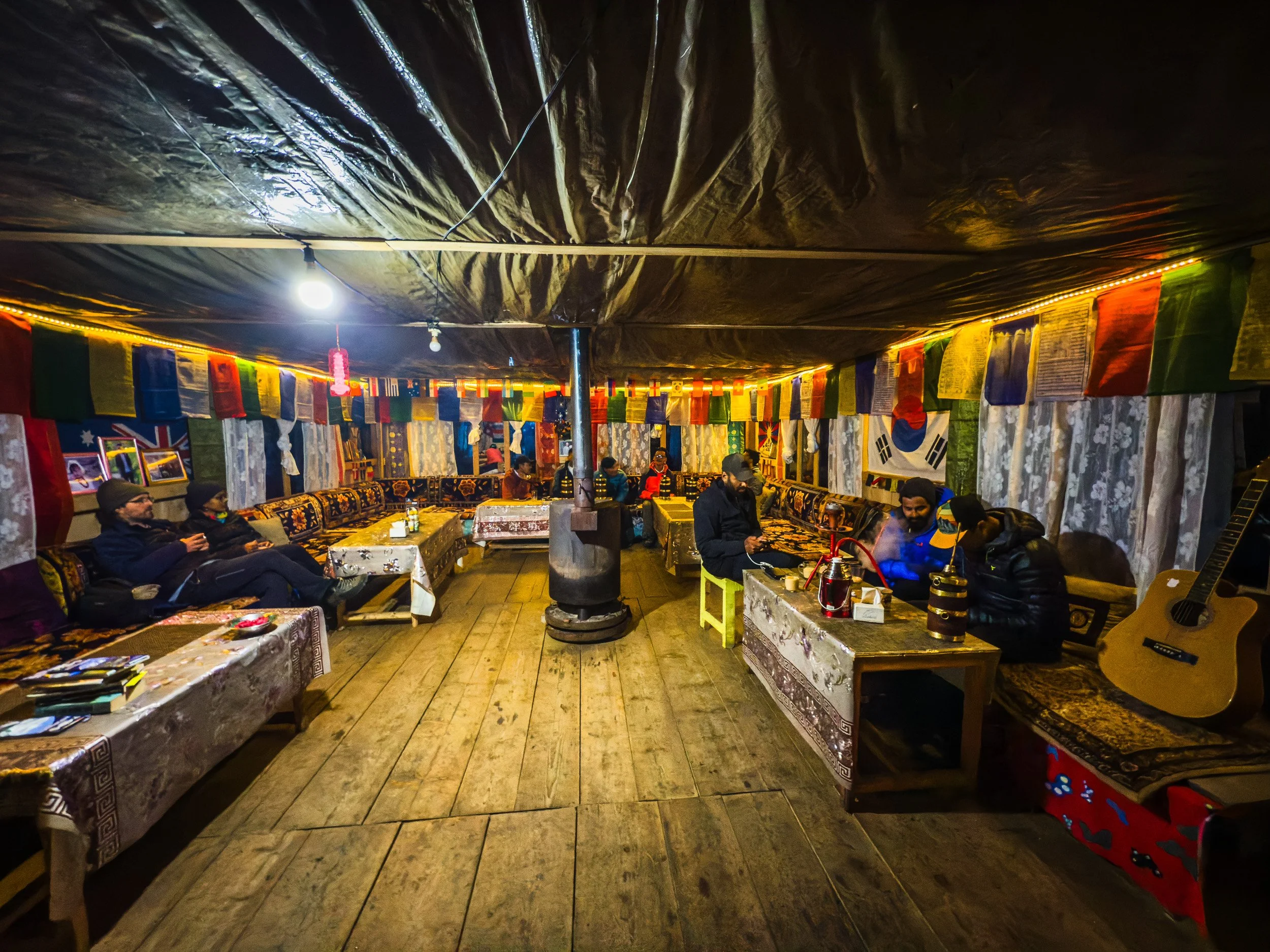
Stay in simple yet welcoming teahouses operated by local families throughout the Kanchenjunga Conservation Area. Rooms are generally twin-sharing with shared toilets, while dining halls become the social heart of each evening. Facilities become more basic as you gain elevation, but the hospitality remains one of the highlights of the trek.
Learn more about accommodationFreshly Prepared Mountain Meals
Meals are freshly prepared by the teahouses using locally available ingredients. Expect familiar trekking favourites such as Dal Bhat, noodles, fried rice, soups, Tibetan bread and seasonal vegetables. As the trail becomes more remote, menu choices become simpler, but hot, nutritious meals remain available throughout the journey.
Read our Food & Teahouse GuideSafety Comes First
Your safety is our highest priority throughout the Kanchenjunga Circuit Trek. Our itineraries include dedicated acclimatisation days, and our licensed guides are trained in altitude illness recognition, wilderness first aid and emergency response. We also carry first-aid equipment and emergency communication devices, with helicopter evacuation available when weather conditions permit.
Explore our Safety GuideHow Does the Trek Assist System Work?
One Trek Assist is generally allocated to two trekkers, carrying your main luggage in a provided duffle bag. We recommend keeping the shared luggage to around 16 kg so the load remains reasonable throughout the trek. Your daypack stays with you and should contain only what you need during the day.
Understand how trekking with Porter works for Himalayan treks of NepalPlan Your Kanchenjunga Trek
Planning a successful Kanchenjunga Circuit Trek goes beyond choosing an itinerary. From permits and packing to understanding the trail, costs and safety, these detailed guides will help you prepare with confidence for one of Nepal's most remote and rewarding trekking adventures.
Cost Guide
Understand the complete Kanchenjunga Circuit Trek cost, including permits, transportation, accommodation, guide and porter fees, travel insurance and the hidden expenses many trekkers overlook.
Explore the Cost GuidePermit Guide
Learn about the Kanchenjunga Restricted Area Permit, Conservation Area Permit, eligibility requirements, mandatory guide regulations and everything needed before entering the region.
Read the Permit GuidePacking Guide
Discover what to pack for the Kanchenjunga Circuit Trek, from layering systems and trekking gear to electronics, footwear and seasonal equipment recommendations.
Difficulty Guide
Find out whether the Kanchenjunga Circuit Trek matches your fitness and experience by learning about altitude, daily walking distances, terrain and physical preparation.
Explore the Difficulty GuideInternet & Connectivity Guide
Learn where mobile coverage is available, how Starlink Internet works in remote villages, charging facilities, power availability and how to stay connected throughout the trek.
Read the Connectivity GuideSafety & Emergency Guide
Understand trail conditions, altitude sickness, acclimatisation, emergency procedures and helicopter evacuation protocols to help you trek safely and responsibly.
Explore the Safety GuideThe Darchog Difference
Choosing the right trekking company is just as important as choosing the destination itself. At Darchog Adventures, we believe every Kanchenjunga Circuit Trek should be guided with experience, integrity and genuine care. From fair treatment of our team to thoughtfully crafted itineraries, our goal is to create meaningful journeys that are remembered long after the trek ends.
People Come First
Every journey begins with people. We believe the strongest memories are created through shared experiences, meaningful conversations and genuine connections—with fellow trekkers, local communities and the mountains themselves.
Guided by Experience
As a guide-owned trekking company, our itineraries are shaped by first-hand experience in Nepal's remote trekking regions. Every decision, from pacing and acclimatisation to route planning and safety, is based on practical knowledge gained in the field.
No Two Journeys Are the Same
Every group moves at a different pace and every trek tells its own story. We build flexibility into our expeditions, allowing time to adapt to weather, trail conditions and the needs of the group while maintaining a safe and enjoyable experience.
Fair & Responsible Trekking
Responsible trekking begins with looking after the people who make every expedition possible. We provide fair remuneration above industry standards, staff insurance and responsible working conditions while supporting local family-run teahouses and mountain communities throughout the Kanchenjunga Conservation Area.
Safety Without Compromise
From carefully planned acclimatisation schedules and wilderness first aid to emergency communication and conservative mountain decision-making, your wellbeing remains our highest priority throughout the Kanchenjunga Circuit Trek.
Experiences Shared by Our Guests
Frequently Asked Questions for Kanchenjunga Circuit Trek
How difficult is the Kanchenjunga Circuit Trek?
How difficult is the Kanchenjunga Circuit Trek?
The Kanchenjunga Circuit Trek is considered a moderate to strenuous trek. No technical climbing is required, but you should be comfortable hiking 6–8 hours a day on rugged mountain trails at altitudes exceeding 5,000 metres. Previous multi-day trekking experience is highly recommended.
How many days does the Kanchenjunga Circuit Trek take?
How many days does the Kanchenjunga Circuit Trek take?
Most itineraries take 22–24 days, including travel between Kathmandu and the trailhead, acclimatisation days, and visits to both Kanchenjunga North Base Camp (Pangpema) and South Base Camp (Oktang).
When is the best time to trek the Kanchenjunga Circuit?
When is the best time to trek the Kanchenjunga Circuit?
The best seasons are Spring (March–May) and Autumn (September–November), when weather conditions are generally stable and mountain views are at their best. Winter and monsoon treks require additional preparation and flexibility.
Do I need a guide for the Kanchenjunga Circuit Trek?
Do I need a guide for the Kanchenjunga Circuit Trek?
Yes. The Kanchenjunga Circuit Trek is a Restricted Area Trek, meaning a licensed trekking guide is mandatory. A minimum of two trekkers is also required to obtain the Restricted Area Permit.
What permits are required for the Kanchenjunga Circuit Trek?
What permits are required for the Kanchenjunga Circuit Trek?
You'll need the Kanchenjunga Restricted Area Permit and the Kanchenjunga Conservation Area Permit before entering the region. We arrange all required permits before the start of your trek.
Is altitude sickness a concern on the Kanchenjunga Circuit Trek?
Is altitude sickness a concern on the Kanchenjunga Circuit Trek?
Yes. The trail reaches Kanchenjunga North Base Camp (5,143m) and crosses high mountain passes above 4,600 metres. Our itinerary includes acclimatisation days, and our guides are trained to recognise and manage altitude-related illnesses using established assessment protocols.
Is there mobile network or internet during the trek?
Is there mobile network or internet during the trek?
Mobile coverage is limited and varies by location. NTC (Nepal Telecom) provides the best coverage where available, while selected villages such as Ghunsa, Khambachen, Lhonak and Selele High Camp may offer paid Starlink Internet. Expect extended periods completely offline.
What type of accommodation and food can I expect?
What type of accommodation and food can I expect?
Accommodation consists of traditional family-run teahouses with simple twin-sharing rooms and communal dining halls. Meals are freshly prepared and typically include Dal Bhat, noodles, soups, fried rice and other local favourites, becoming simpler as you gain elevation.
Is travel insurance mandatory?
Is travel insurance mandatory?
Yes. Comprehensive travel insurance covering trekking above 5,000 metres and helicopter evacuation is mandatory before your Restricted Area Permit can be issued. We strongly recommend reviewing your policy to ensure high-altitude trekking is specifically covered.
Why choose Darchog Adventures for the Kanchenjunga Circuit Trek?
Why choose Darchog Adventures for the Kanchenjunga Circuit Trek?
As a specialist in Nepal's remote trekking regions, we focus on small groups, experienced licensed guides, fair porter remuneration above industry standards, transparent pricing and carefully crafted itineraries that prioritise safety, acclimatisation and meaningful local experiences.
Before You Book
Kanchenjunga is a remote and demanding mountain journey. By the time you reach this section, you should already have a good idea of whether the trek suits your experience and expectations. Before you make a booking, however, there are a few practical realities we want you to understand clearly.
This Is a Remote Trek
Kanchenjunga is not a highly developed trekking region. As you move deeper, facilities become simple, connectivity becomes limited and outside assistance takes longer. Embrace a simpler way of travelling through the mountains.
The Journey Requires Flexibility
Reaching eastern Nepal involves overland travel and domestic flights where weather, road conditions and landslides can cause changes. We strongly recommend adding flexible buffer days to your onward international travel.
Permit & Group Arrangement
Kanchenjunga is a Restricted Area requiring licensed guides and permits. Standard pricing assumes a minimum of two trekkers to share logistics. For solo travellers, contact us prior to booking so we can calculate transparent single-supplement arrangements.
Keep Your Luggage Reasonable
One Trek Assist is shared between two trekkers (recommended 16 kg max per shared duffle bag). Keep your daypack light, ideally under 5 kg. Additional luggage can be safely stored in Kathmandu or transported by an additional Trek Assist.
Expect Basic Mountain Facilities
Accommodation becomes simple tea houses deeper into the region. Hot showers, battery charging and internet are limited or unavailable at higher settlements.
Connectivity Will Be Intermittent
Mobile networks are absent along major sections of the route. Inform your family beforehand and keep vital travel documents and contacts saved offline.
Emergency Evacuation Requires Patience
Helicopter rescue operations depend heavily on weather, visibility and flight clearance. Comprehensive travel insurance covering high-altitude helicopter evacuation is mandatory.
Trail Conditions Can Change
Landslides, weather and seasonal shifts affect trail conditions. The itinerary is a structural framework; local route adjustments are made whenever required for safety.
Read our Trail Overview & Safety GuidePrepare for High Altitude
Reaching elevations above 5,000 metres (North Base Camp & High Passes), open communication with your guide is vital. Never push through altitude symptoms simply to maintain schedule.
We Recommend Appropriate Insurance
Ensure your policy explicitly details coverage for trekking above 5,000 m and medical evacuation. Standard policies often exclude high-altitude search and rescue.
Pack for the Reality of the Route
Prioritise proper layering, robust footwear and sleeping gear suitable for sub-zero temperatures over heavy, redundant items.
Most Importantly, Come Prepared for the Experience
Uncertainty is an integral part of high-altitude Himalayan trekking. Our team ensures careful preparation, transparent communication and safe decision-making on the ground. Your role is to arrive prepared, stay flexible and trust the journey when mountain conditions demand adaptation.
Read our Mountain Safety & Emergency Protocols
Kanchenjunga Circuit Trek
A Final Word
Kanchenjunga is one of the few places in Nepal where trekking still feels like exploration. Every expedition reminds me that the most memorable journeys aren't measured by how quickly we reach the destination, but by the people we meet, the landscapes we walk through and the moments we share along the way.
If this sounds like the kind of adventure you're looking for, we'd be delighted to welcome you to the mountains.